As a painter, my worst enemy is the heat.
To help you achieve professional results, follow our key insights gathered from the school of hard knocks and technical service guidelines.
Why Temperature Matters
High temperatures aren’t just uncomfortable for you—they’re tough on the paint. Excessive heat interferes with proper film formation, a critical process that will affect a project’s adhesion, penetration, durability, and final appearance.
The Four Challenges
1. Heat: Cures the coating too fast.
2. Direct Sunlight: Can cause the paint to form a “dry skin” on top while trapping moisture or solvents underneath, leading to adhesion failure.
3. Hot Surfaces: Applying paint to a hot substrate (like metal or concrete) reduces penetration, often resulting in poor long-term durability.
4. Humidity: High humidity slows down curing, making the finish vulnerable and unstable
Common Hot Weather Failures
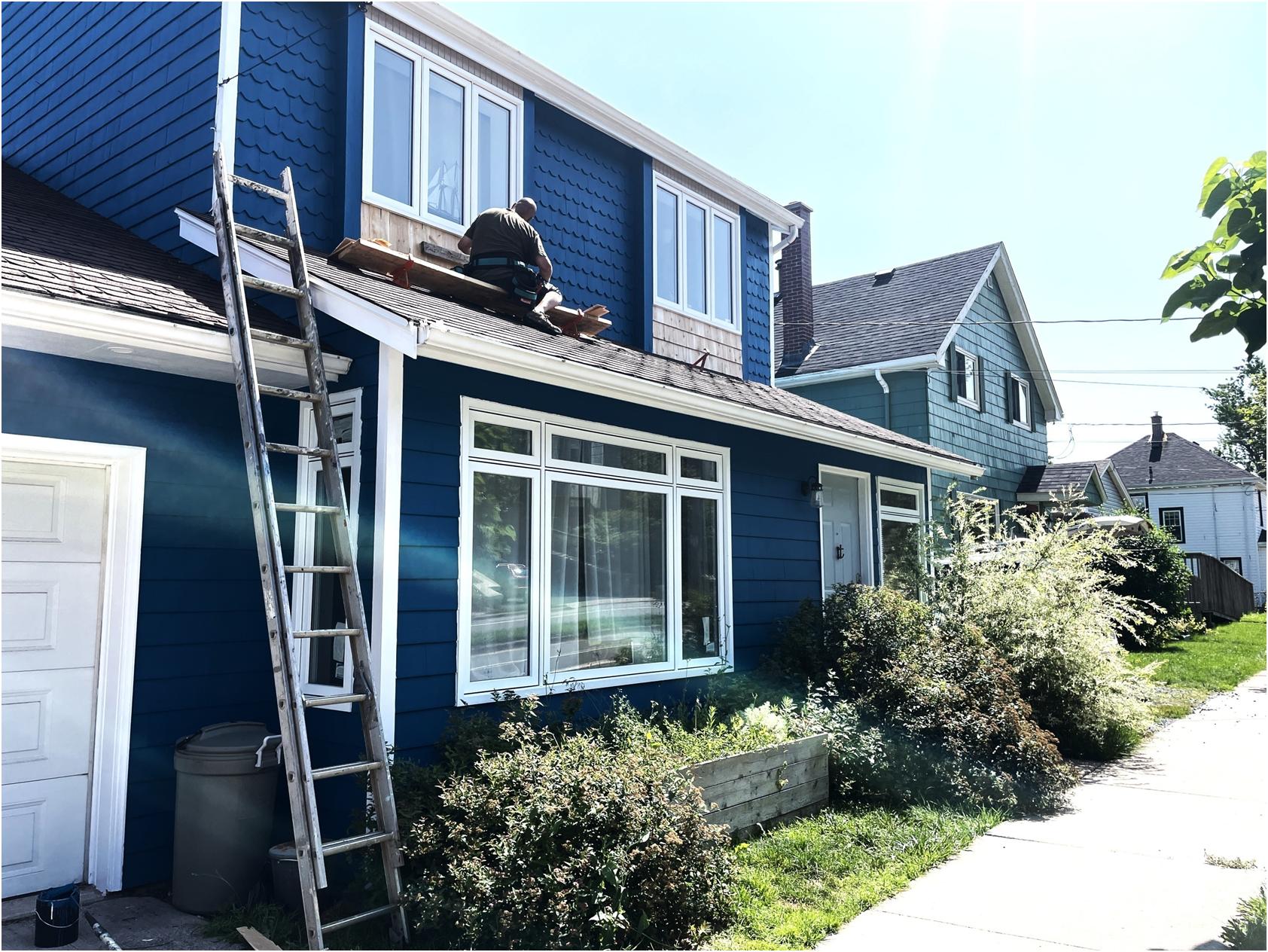
*Skinning or Wrinkling: A leather-like texture that develops when the surface dries too fast.
*Flashing: Uneven gloss because the paint dried before it could be properly absorbed.
*Blistering: Lost adhesion. The paint film lifts away from the surface. Sometimes in small spots. Other times in big sheets.
*Cracking: Rapid shrinkage can look like old-age wrinkles or alligator skin.
Expert Tips for Success
To ensure your finish lasts, follow these professional recommendations:
*Monitor the Mercury Halifax: Check the temperature before you plan your day.
*Check the product Data Sheet: Always check for the optimum coating temperature range.
*Consider the Substrate: Dense materials like concrete and steel can hold heat much longer than the air around them. Make sure the surface itself has cooled down.
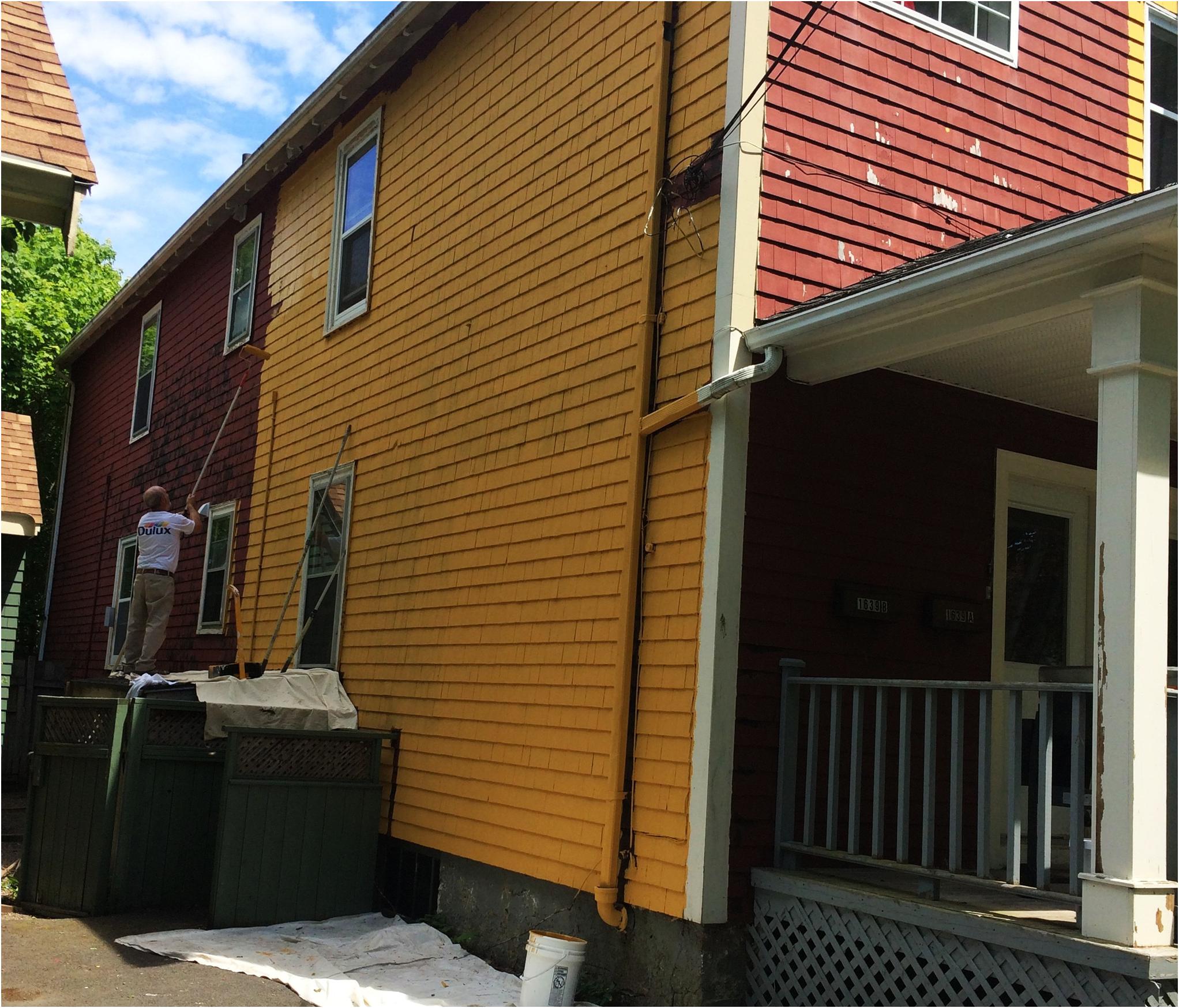
*Find the Shade: Work out of direct sunlight or provide temporary shade for your project surface.
* Watch the Humidity: Be extra careful with latex paints, as they are highly sensitive
Don’t let a heat wave ruin your hard work or your health, HALIFAX!
Follow the tips and the shade whenever possible. Plan for safety and quality work.
Be proactive, not reactive.